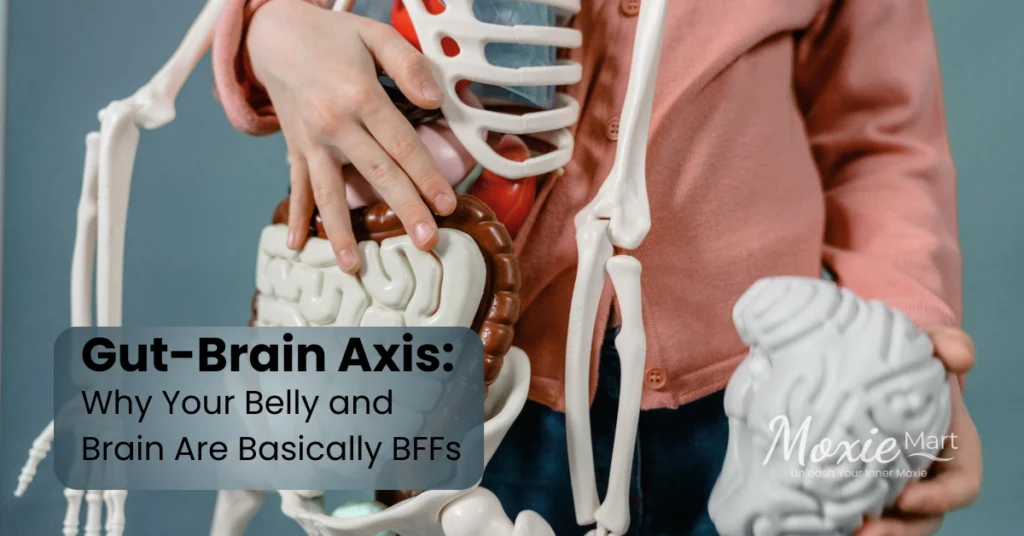
Physical Symptoms of Emotional Stress:
How Emotion Becomes Biology
Where ancient insight meets modern neuroscience — revealing the hidden ways your emotional life becomes your physical reality.
🗂️ Mood & Mindfulness
📅 December 1, 2025
🏷️ Mind-Body | Gut-Brain Axis
Quick Mood Takeaways
You’ve felt it before—that moment when emotional pain hits so hard your body reacts before your mind can make sense of it. The breath shortens. The stomach drops. The chest tightens. The world tilts.
Long before Western medicine split the body from the mind, many cultures understood this truth:
What hurts the heart eventually shows up in the body.
In Hawaiian wisdom, this is captured in the phrase Mai Na Loko, meaning “sickness from within.” It describes the way emotional turmoil—especially from conflict, betrayal, or unresolved trauma—takes root inside the body, shifting its chemistry long before a physical symptom ever appears.
Modern neuroscience now confirms this:
Your body doesn’t separate emotional pain from physical pain. It processes them through the same pathways.
What we don’t resolve emotionally, the body resolves biologically.
This is the anatomy of “Inside Sickness.”
- Physical Symptoms of Emotional Stress: How Emotion Becomes Biology
- Quick Mood Takeaways
- The Cultural Roots of Inside Sickness
- Why the Body Stores Emotional Pain (Physical Symptoms of Emotional Stress)
- The Gut: Your Emotional Processing Center
- The Four Levels of Inside Sickness
- The Inside-Out Healing Path
- Wrapping It Up
- Frequently Asked Questions: Physical Symptoms of Emotional Stress
- Inside Sickness Reflection Journal
- Referenced Studies & Sources
The Cultural Roots of Inside Sickness
The idea that emotional wounds cause physical illness is not new—just newly validated by science.
Hawaiian Perspective: Mai Na Loko
This ancient phrase refers to illness that begins internally, not from infection or injury, but from:
• emotional fracture
• relationship conflict
• grief
• unspoken resentment
• severed connection
In traditional Hawaiian healing practices, the body is not a set of physical parts.
It is an integrated being: spirit, mind, emotion, lineage, breath, body.
Common Across Cultures
Variations of “inside sickness” exist in:
• Traditional Chinese Medicine (“stagnant qi”)
• Ayurveda (“ama”—undigested emotion)
• Indigenous North American practices (“disharmony of spirit”)
• Biblical language (“a troubled heart rots the bones”)
This is not metaphor.
It is observation.
Emotion changes physiology.
Connection heals it.
Why the Body Stores Emotional Pain (Physical Symptoms of Emotional Stress)
To understand inside sickness, you must understand why the body holds on to what the mind can’t resolve.
It’s not weakness.
It’s biology.
Your nervous system is built for survival, not emotional processing.
When something overwhelming happens—an argument, betrayal, childhood chaos, loss—the brain’s first priority is protection, not digestion of the experience.
The “unfinished loop” gets stored physically.
Emotional pain that can’t be fully felt or expressed triggers:
1. Muscle contraction (holding patterns)
2. Breath disruption
3. Cortisol elevation
4. Vagal nerve shutdown
5. Gut signaling changes
6. Inflammatory activation
This is not psychological.
It is neurological.
Your body becomes the container for what your mind cannot carry.
And unless emotion is metabolized, the body continues the job alone.
Inside Sickness Reflection Journal
A gentle 3-page practice to hear what your body has been holding — and what it’s ready to release.
The Three Pathways of Inside Sickness
This is where emotional wounds become measurable biology which explains many physical symptoms of emotional stress.
PATHWAY 1: THE HORMONAL PATHWAY (HPA AXIS)
When emotional stress hits, the brain activates the HPA axis (hypothalamus → pituitary → adrenal glands).
A simplified cascade:
1. Emotional threat →
2. Hypothalamus alarm →
3. Pituitary activation →
4. Adrenal glands release cortisol →
5. Chronic cortisol disrupts digestion, hormones, sleep, immunity
Cortisol is not “bad”—it’s lifesaving.
Chronic cortisol is the problem.
Elevated long-term cortisol causes:
• thinned gut lining
• suppressed stomach acid
• slowed motility
• increased blood sugar
• immune suppression, then overactivation
This is how emotional wounds alter metabolism, weight, and digestion.
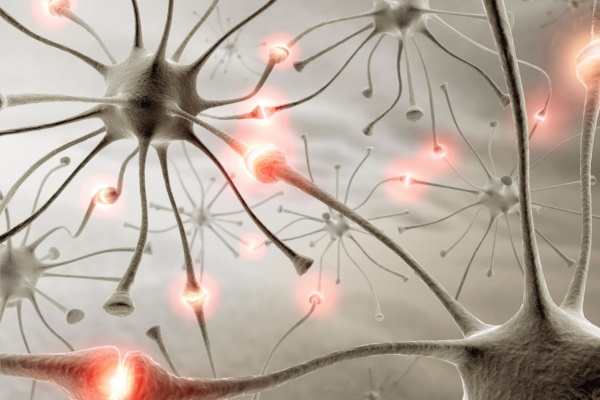
PATHWAY 2: THE NEUROLOGICAL PATHWAY (VAGUS NERVE + BRAIN)
The vagus nerve is the bridge between:
• your gut
• your heart
• your brain
• your immune system
• your emotional state
When emotional pain persists:
• vagal tone drops
• digestion weakens
• inflammation rises
• mood becomes unstable
• sleep becomes fragmented
Neuroinflammation
Emotional pain triggers microglial activation—the immune cells of the brain.
This creates:
• brain fog
• anxiety
• low mood
• irritability
• sensory sensitivity
This is why emotional pain feels physical.
The brain literally becomes inflamed.
PATHWAY 3: THE IMMUNOLOGICAL PATHWAY (INFLAMMATION)
Unresolved emotional pain is processed like a physical injury. The immune system responds with inflammation.
CRP (C-Reactive Protein)
A blood marker showing system-wide inflammation. When emotional stress is chronic, CRP rises—sometimes for years.
IL-6 (Interleukin-6)
A cytokine (“chemical messenger”) that increases during:
• stress
• conflict
• trauma
• loneliness
High IL-6 is linked to cardiovascular disease and autoimmune illness.
TNF-alpha (Tumor Necrosis Factor-alpha)
An inflammatory cytokine associated with:
• gut inflammation
• depression
• joint pain
• metabolic dysfunction
These are not obscure lab values.
They are signposts of what emotional pain is doing in the body.
Inside Sickness Reflection Journal
A gentle 3-page practice to hear what your body has been holding — and what it’s ready to release.
The Gut: Your Emotional Processing Center
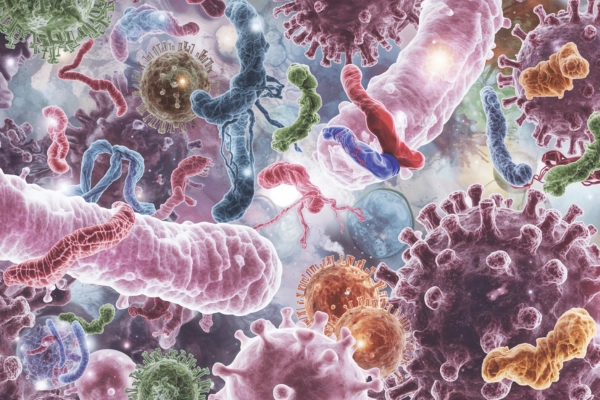
Your gut is the most biologically sensitive part of your emotional life.
Here’s how inside sickness affects the gut:
1. Gut pH changes
Emotional stress increases acidity, allowing harmful bacteria to flourish.
2. Microbiome composition shifts
Beneficial strains shrink.
Inflammatory strains increase.
This alone alters mood.
3. The gut lining becomes permeable (“leaky gut”)
This allows toxins + food particles into the bloodstream, triggering systemic inflammation.
4. Digestive enzymes drop
Your body cannot digest properly when it does not feel safe.
5. The gut signals distress to the brain
This is where anxiety, food sensitivities, and IBS emerge.
Your gut tells your emotional story long before you speak it.
The Four Levels of Inside Sickness
LEVEL 1 — Emotional Disconnection
Ignored feelings.
Suppressed resentment.
Unresolved grief.
Chronic self-silencing.
LEVEL 2 — Nervous System Overload
Hypervigilance.
Vagal shutdown.
Adrenal fatigue patterns.
Sleep fragmentation.
LEVEL 3 — Biochemical Disruption
Hormonal chaos.
Gut dysfunction.
Inflammation.
Altered immune function.
LEVEL 4 — Physical Expression
Symptoms:
• bloating
• fatigue
• joint pain
• autoimmune flares
• high blood pressure
• digestive disorders
Inside sickness moves from invisible → biochemical → undeniable.

The Inside-Out Healing Path
Inside sickness begins on the inside — which means the way back also moves from the inside outward.
This framework isn’t a full protocol; it’s the map that explains how emotional disconnection eventually becomes physical symptoms… and how the body finds its way back toward balance.
1. Awareness
Noticing what your body is saying — and when stress turns into physical symptoms.
2. Naming
Putting words to the emotional experience so it no longer stays trapped in the body.
3. Regulation
Helping the nervous system shift from survival mode into safety so digestion, hormones, and immunity can recalibrate.
4. Connection
Rebuilding internal and external support — with yourself, with others, with God — so the body no longer feels alone in the load.
5. Expression
Allowing emotion to move through the body instead of getting stored in it.
6. Renewal
Choosing rhythms, practices, and environments that support long-term emotional and physical resilience.
Wrapping It Up
Inside sickness begins where emotional truth was never fully seen, spoken, or resolved. What begins as heartbreak or chronic stress becomes measurable biology and often shows up first as physical symptoms of emotional stress — in your gut, your hormones, your nervous system, your inflammation patterns.
The good news?
The same pathways that carry emotional pain into the body can carry healing back out.
Your body is not broken.
It is communicating.
And it has been waiting for you to listen.
Frequently Asked Questions:
Physical Symptoms of Emotional Stress
1. Can emotional wounds really lead to physical disease?
Yes. Research shows emotional trauma alters hormones, gut bacteria, inflammation, and immune function.
2. Why does emotional pain show up as digestive symptoms first?
Because the gut has its own nervous system and responds instantly to stress signals.
3. Is this “just stress”?
No. Inside sickness includes unresolved emotional pain, relational wounds, trauma, and chronic internal conflict.
4. Can healing emotional wounds reverse symptoms?
Often, yes. Reduced stress restores gut integrity, vagal tone, and immune balance.
5. Does this replace medical care?
No. It complements it by addressing root emotional contributors.
Inside Sickness Reflection Journal
A quiet moment your body has been waiting for.
Your body has been holding more than you realize — memories, stress, tension, emotional echoes.
This simple 3-page guided practice helps you finally listen… and gently release what’s been weighing you down.
💛 Perfect if you’ve been feeling:
– tightness or heaviness you can’t explain
– emotional clutter that keeps looping
– the urge to slow down and hear yourself
– ready to reconnect with your body with compassion
Download your guided journal and begin your release.
The MoxieMart Promise: No fads. No shame. No spam. Ever.
Referenced Studies & Sources
| Title | Link |
|---|---|
| Slavich GM, Irwin MR. “From Stress to Inflammation.” | https://doi.org/10.1037/a0035302 |
| Mayer EA. “Gut–Brain Communication.” | https://www.nature.com/articles/nrn3071 |
| Felitti VJ et al. ACE Study. | https://doi.org/10.1016/S0749-3797(98)00017-8 |
| O’Mahony SM et al. Psychobiotics. | https://www.frontiersin.org/articles/10.3389/fpsyt.2015.00015/full |
| McCraty R. HeartMath Institute. | https://www.heartmath.org/research/science-of-the-heart/ |